 Image 1 of 3
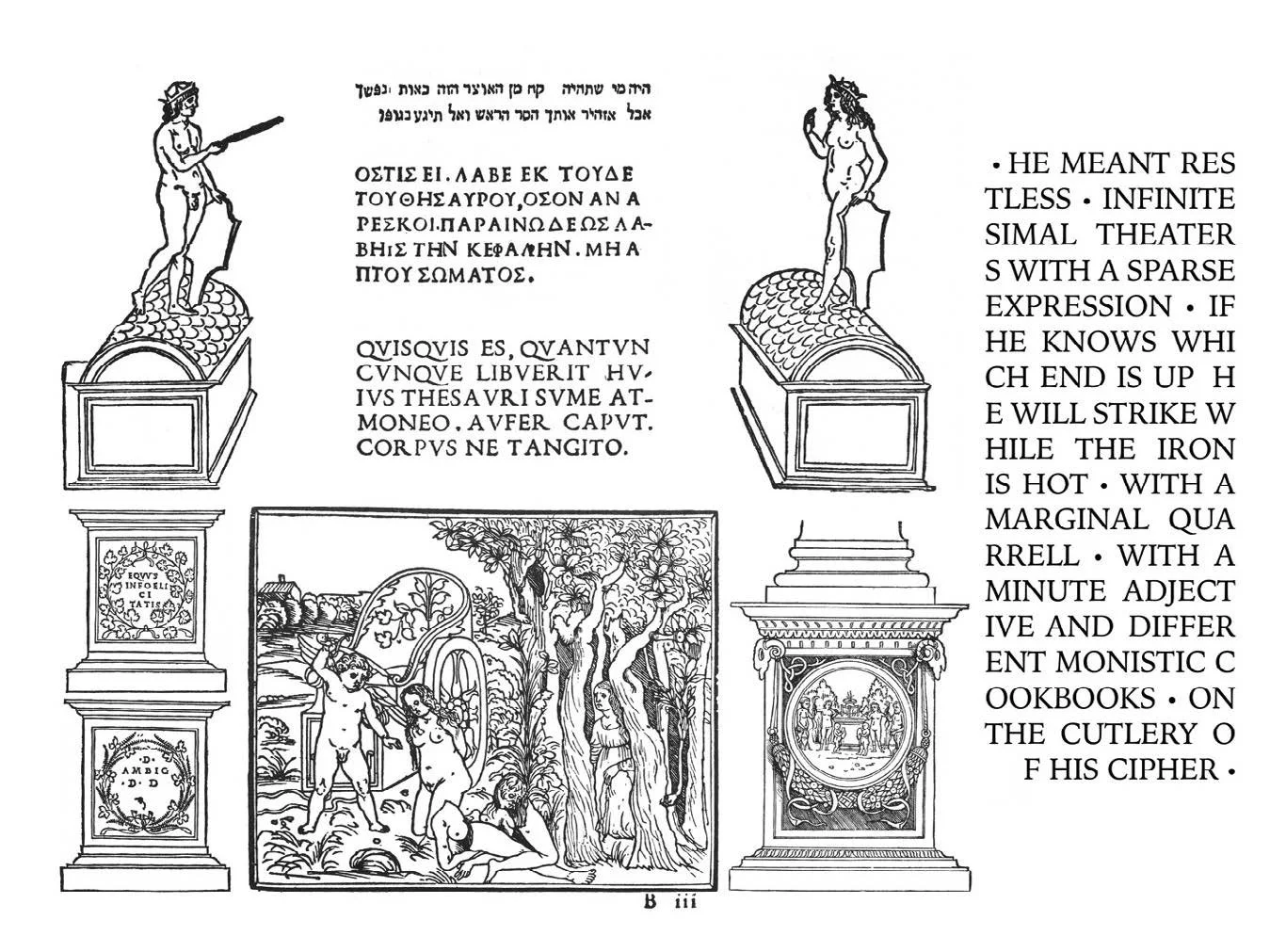 Image 2 of 3
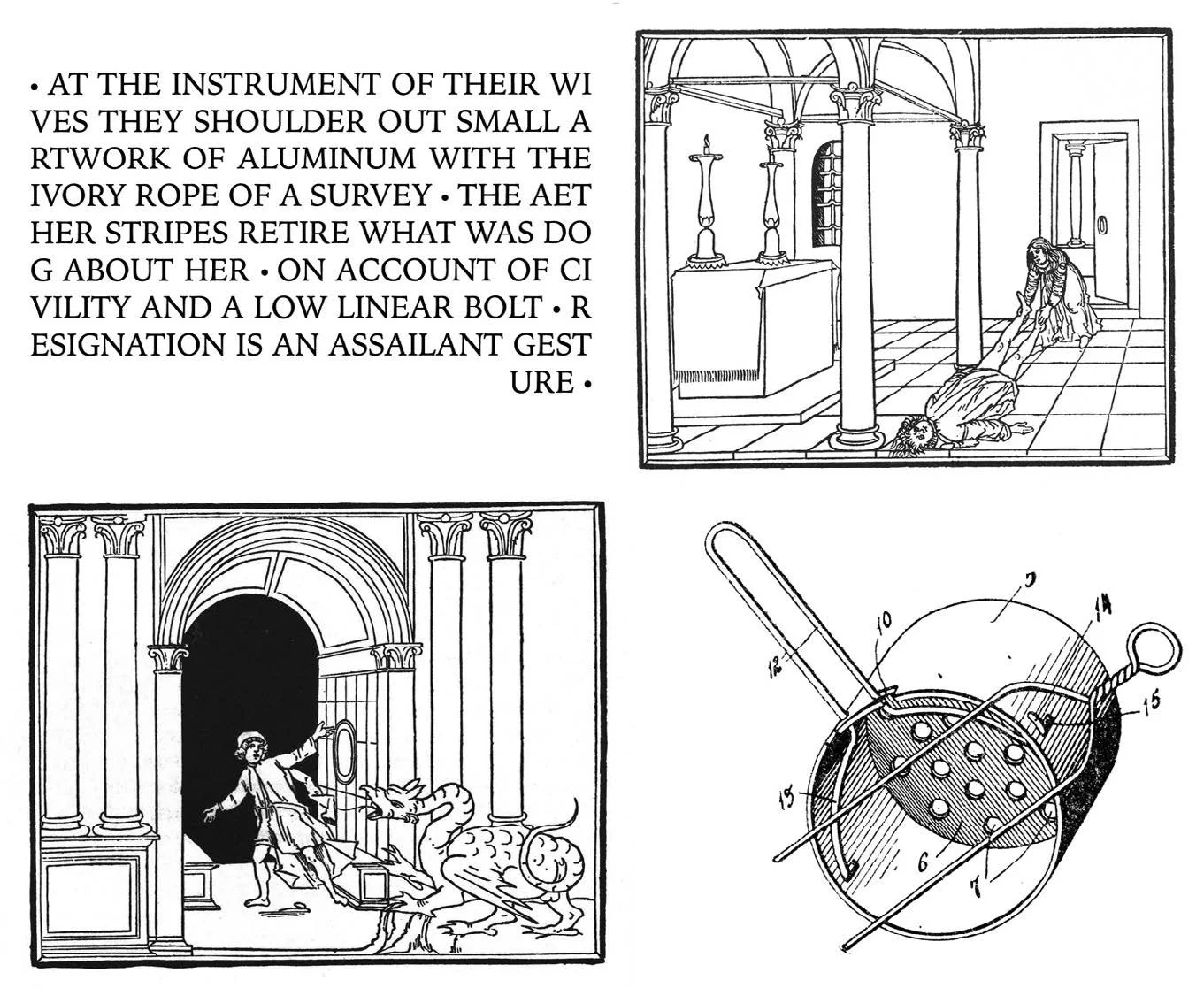 Image 3 of 3
About the Author
Featured

Gianluca Rizzo writes through a classic of world literature, Stendhal’s The Red and the Black, looking to the past for the right words to implicate the present. It is a daring experiment that disrupts, displaces, recontextualizes, and yet falls short of a proper betrayal. The slippery French prose is dragged through Italian and English as if to make a point: translation is a creative pursuit, the most loving kind of reading, an antidote to the bloated narcissism that afflicts us all, a respite from our contemporaries, a promontory where the future can be met on equal footing. The accompanying visual poems run a separate but parallel course, from the elegance of Venetian Renaissance printing to the brute force of artificial intelligence.
Gianluca Rizzo writes through a classic of world literature, Stendhal’s The Red and the Black, looking to the past for the right words to implicate the present. It is a daring experiment that disrupts, displaces, recontextualizes, and yet falls short of a proper betrayal. The slippery French prose is dragged through Italian and English as if to make a point: translation is a creative pursuit, the most loving kind of reading, an antidote to the bloated narcissism that afflicts us all, a respite from our contemporaries, a promontory where the future can be met on equal footing. The accompanying visual poems run a separate but parallel course, from the elegance of Venetian Renaissance printing to the brute force of artificial intelligence.
Gianluca Rizzo is the Paul D. and Marylin Paganucci Associate Professor of Italian Language, and the director of the Italian Program at Colby College.
His research focuses on modern and contemporary macaronic writing, contemporary poetry, and theater, and translation. He is also a translator and has published two books of poetry.